In her artistic practice and research, Josefina Posch is engaged in the expanded field of sculpture where the negotiation with a specific situation plays a central role in material investigations of environmental and sustainability concerns.
Posch is an internationally active artist who has exhibited at the Göteborgs Konsthall, Norrtälje Museum + Konsthall, Virserum Konsthall, Galleri 54 Göteborg, Houston Art League, Berkeley Art Center, Havanna Museum of Modern Art, Duolun MoMa Shanghai, Zendai MoMA, Center for Contemporary Art Tbilisi, the Moore Space Miami, Art Space Portsmouth, Furtherfield Gallery London. She has participated in the 52nd Venice Biennale collateral event Migration Addicts, OpenArt Biennale Örebro and the 3rd Tbilisi Triennial Georgia.
She has been an artist-in-residence at the Duolun MoMA, China; Unidee – Cittadellarte, Italy; Sculpture Space, USA, ASP in the UK and at MAWA, Canada. She has received several grants including: The Swedish Arts Grants Committee, IASPIS, Arts Council England / British Arts Council International Collaboration Grant, Step-Beyond EU Grant, Dena Foundation Italy, Foundation for Contemporary Art NY, Florida Artist Enhancement Grant, Nordic Ministry of Culture, Västra Götalands Regionen, City of Gothenburg and Stockholm City Arts Council.
In 2010 Josefina Posch founded Snowball Cultural Productions and she is also active as curator, researcher and educator in her role as Senior Lecturer Fine Art and Director for the BFA Fine Art program at HDK–Valand Academy of Art and Design Gothenburg University.
Josefina Posch´s artistic research explores how scientific experiments and scientific research in space debris, that are often invisible existing only as pure data, can translate into intuitive material investigations where sculpture, photography and drawing intersect?
Continuing her interest in sustainability, the environment and pollution, Josefina has expanded from planet earth into space. In 2019 it was 50 years ago man first walked on the moon, and it is estimated that an average of 130 spacecrafts have been launched each year since then. As it is, wherever humans venture they leave something behind, and in space the number of large objects is at an all-time high. All this “space junk” creates high risk of collision that in turn creates more debris. Because of the path of the satellite orbits, most collisions take place at the polar regions of earth, where they intersect.
It is estimated that space debris will only increase as humans are continuing exploring space in our quest for new territories and in its wake follow problems of land exploitations and environmental degradation. Even though we are currently trying to tackle these issues on earth they are already being exported into space.
E-mail: info@josefinaposch.com
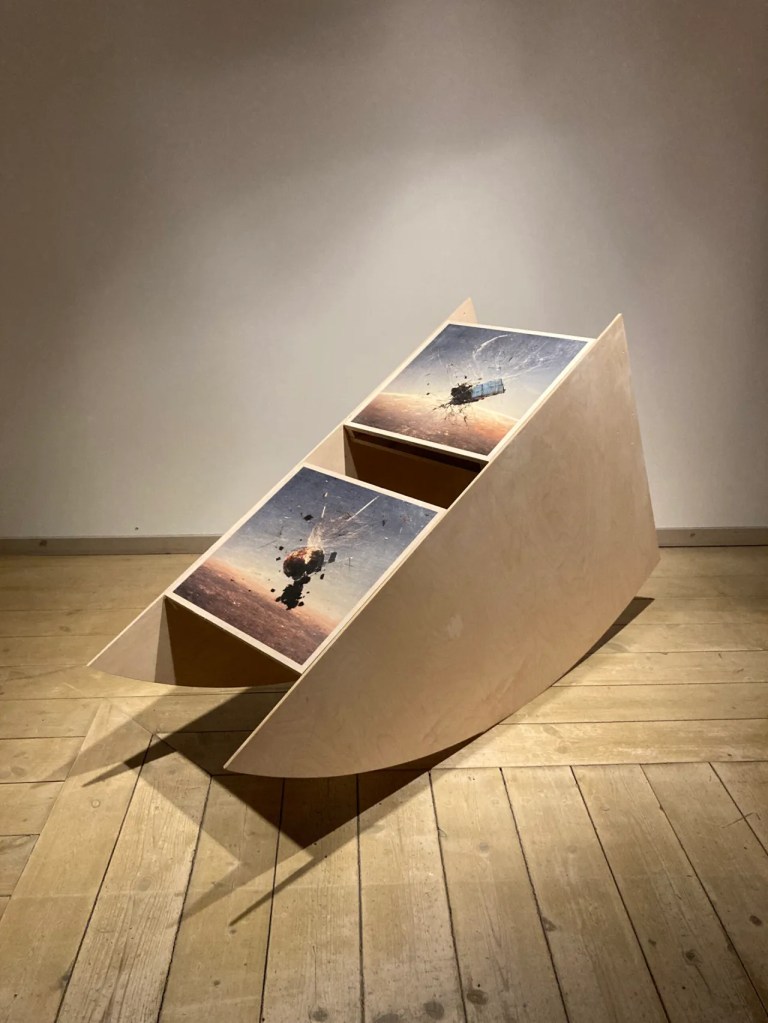
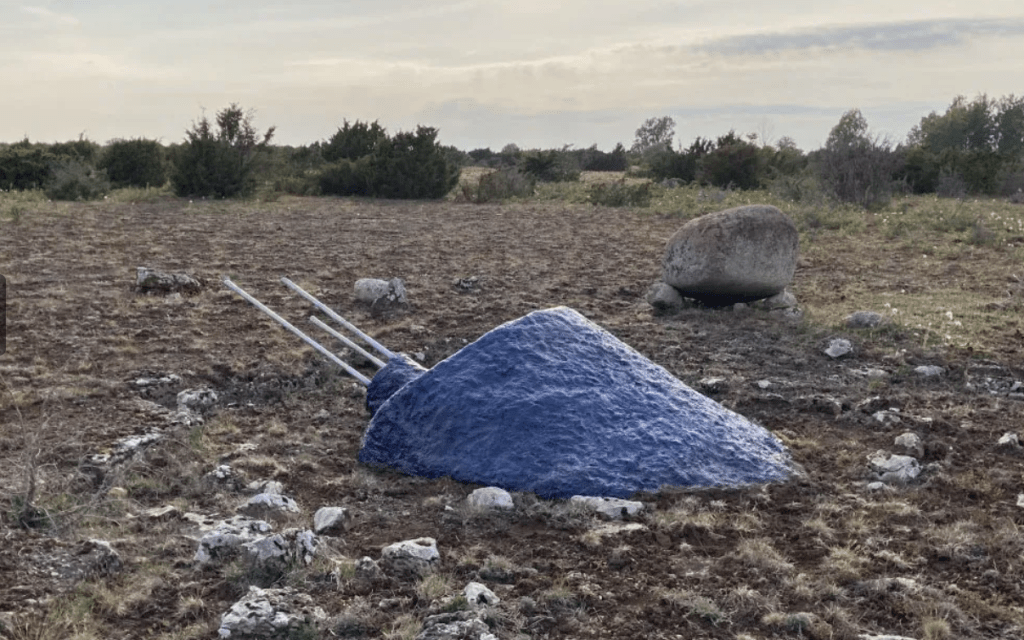
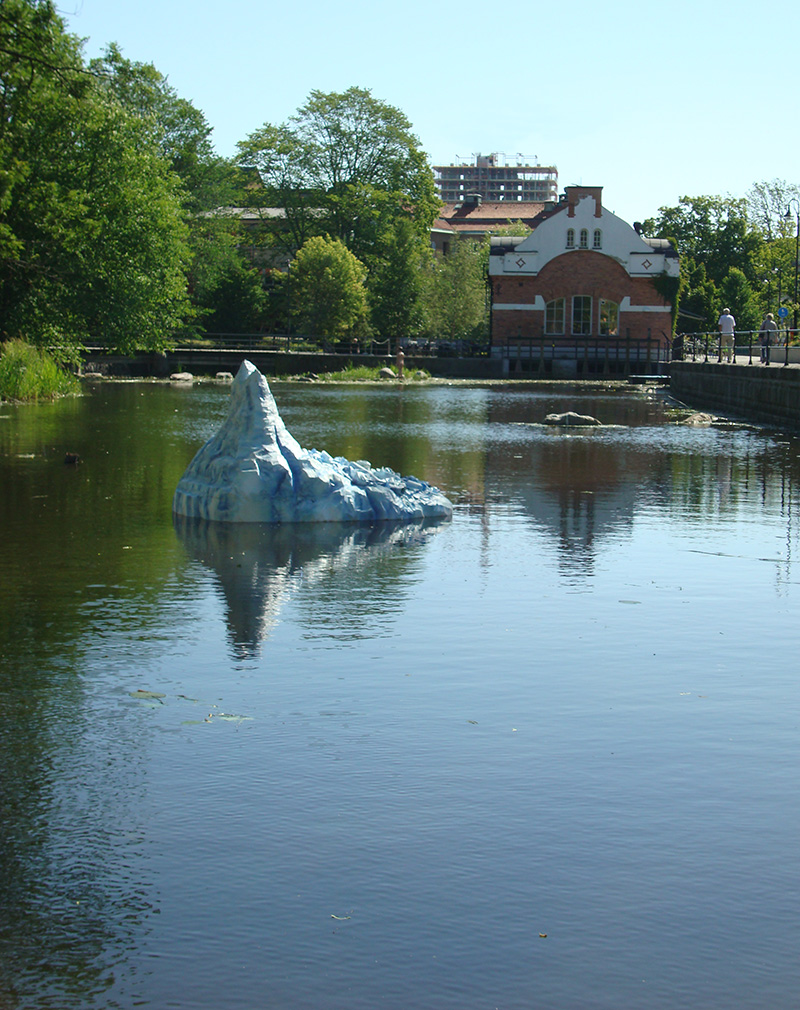
Norrtälje Konsthall+ Museum

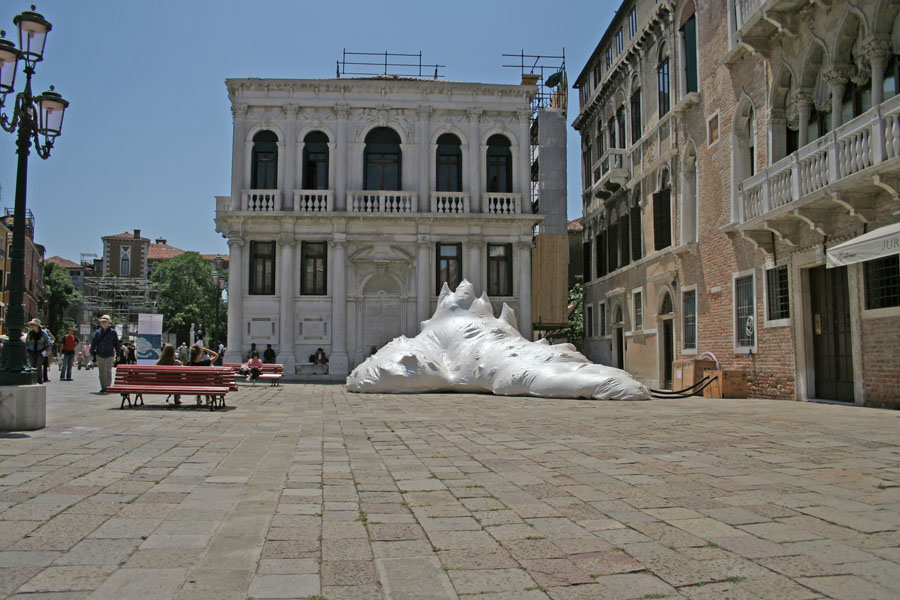
 Changes on Northern Shores - Observing Problems through Art and Science